 By Spinoza Havurah
Spinoza HavurahThe Zoom Shul · Weekly
A spiritual humanistic Jewish community
This week’s reading
נֹחַ · Noaḥ
Genesis 6:9 – 11:32. A man is called righteous in his generation, and the qualification has been argued over ever since. The world is drowned and begun again; a covenant is made with every living thing and hung in the sky where anyone can see it; and the portion ends with people building a tower so as not to be scattered, and being scattered.
It is the Torah’s first attempt at the question this community keeps returning to: what do we owe each other when the institutions fail — and what do we build instead, knowing it can fall.
The seven aliyot
עֲלִיּוֹת
| # | Opening | What is read | Verses |
|---|---|---|---|
| 1 | אֵלֶּה תּוֹלְדֹת נֹחַÉle toledót Nóaḥ | Noaḥ is named righteous in his generation. The earth is corrupt, and the ark is commanded, down to its measurements. | 6:9–22 |
| 2 | בֹּא אַתָּה וְכָל בֵּיתְךָ אֶל הַתֵּבָהBo atá vechól betechá el hatevá | The animals come in, two by two and seven by seven. The rain begins, and the door is shut. | 7:1–16 |
| 3 | וַיְהִי הַמַּבּוּל אַרְבָּעִים יוֹםVayhí hamabúl arba’ím yom | The flood prevails, and recedes. The raven, then the dove, then the dove with the olive leaf. The ground dries. | 7:17–8:14 |
| 4 | צֵא מִן הַתֵּבָהTse min hatevá | They come out. A promise never to do this again, and the charge to be fruitful — and the worth of a human life. | 8:15–9:7 |
| 5 | וַאֲנִי הִנְנִי מֵקִים אֶת בְּרִיתִיVa’aní hinení mekím et berití | The covenant — with Noaḥ, with his descendants, and with every living creature. The bow set in the cloud. | 9:8–17 |
| 6 | וַיִּהְיוּ בְנֵי נֹחַ הַיֹּצְאִים מִן הַתֵּבָהVayihyú vené Nóaḥ hayotse’ím min hatevá | The vineyard, the drunkenness, the curse of Canaan — and then the table of the seventy nations. | 9:18–10:32 |
| 7 | וַיְהִי כָל הָאָרֶץ שָׂפָה אֶחָתVayhí chol ha’árets safá eḥát | One language, one tower, one scattering — and the line from Shem to Teraḥ, and Avram setting out. | 11:1–32 |
Maftir 11:29–32. Transliteration follows the key in Tefiloténu. The Haftará this week is the theme — Noaḥ is not one of the special Shabbatot, so the second reading is the one below. The traditional reading for Noaḥ, for anyone who wants it, is Isaiah 54:1–10.
Haftará · theme 6 of 55
הַפְטָרָה · The second reading
On the special Shabbatot we read the prophets. On every other week the quality set for the year takes the slot — the second reading that answers the first, which is what a Haftará has always been. The blessings before and after are the same either way.
תִּקְוָה
Hope
Tikvá
- What do you hope for that you cannot control?
- What is the difference between hope and optimism?
- Who in your life carries hope for others, and how do they do it?
Three ways in, not an agenda — most weeks one of them takes the whole hour, and should.
And one against it
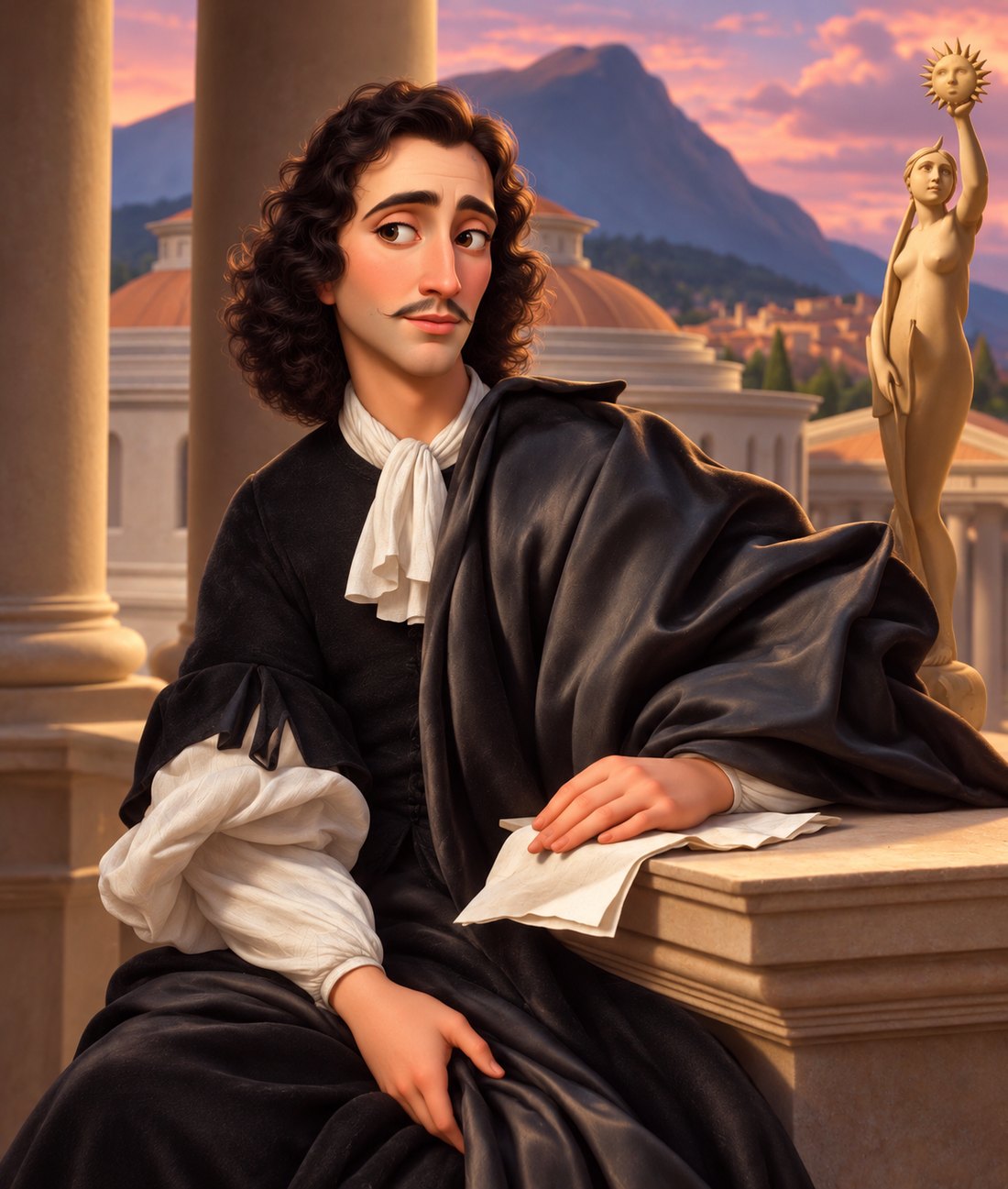
Spinoza on hope
“Hope is an inconstant joy, arising from the image of a thing future or past, of whose outcome we are in some doubt.”
Ethics III · Definitions of the Affects XII
Spinoza files hope among the passions, not the virtues — something that happens to us rather than something we do, and inseparable from fear, since both live on not knowing. Worth putting to the room before anyone gets comfortable: is the hope you named this week a thing you have, or a thing you practise?
Practical tools
Three things to do this week
בִּנְיַן הַתֵּבָה
Build the ark before the waterBinyán hatevá
A few minutes each morning with words that are not your own — the siddur, Pirké Avot, a line of poetry. Then, before the day starts asking things of you, one question: what am I going to bring into the room today?
The ark is not a hiding place and nobody hands it to you. Noaḥ built his over years, in good weather, while being laughed at. That is the whole point of the practice: it is done before the water, because nothing can be built once the water is up. Patience under pressure is not summoned in the moment. It is stocked in advance, like the ark’s provisions.
פֶּתַח שֶׁאֵינוֹ נִרְאֶה
The opening you cannot see yetPétaḥ she’enó nir’é
Choose one situation you have quietly written off. Do not ask for it to be opened. Ask instead what you actually know about it — and notice how little that is.
When we conclude that something is finished, we are making a claim about causes we cannot see: the other person’s week, what they are about to understand, what one conversation would change. Giving up is not realism. It is confidence in a picture we have a corner of.
So: one action this week. A conversation, a kindness, a first step toward repair. Not because it will work — you cannot know that either — but because the action is the part that belongs to you.
שֵׁם אוֹ אוֹר
A name, or lightShem o or
Each day, strengthen one connection on purpose. Listen without needing to be right. Help without being seen helping. Go to the person you have been overlooking, who is usually the one easiest to overlook.
The builders at Babel said נַעֲשֶׂה לָּנוּ שֵׁם — let us make ourselves a name. Before you act, ask which you are doing: making a name, or making light. Light here is not uncovered, waiting behind things. It is kindled, and it is kindled between people — וּמִמֶּנּוּ מַדְלִיק אוֹר, and from it I kindle light.
The builders of the tower had perfect unity: one language, one purpose. What unified them was the fear of being scattered. Unity built out of fear becomes a tower; unity built out of sharing becomes a community. The test is the purpose, which is the question the parasha itself asks.
From the community
Notices
Yahrzeits
We read the names each week. Send us the name, the relationship and the Hebrew or civil date, and we will keep it in the cycle.
spinozahavurah@gmail.comShabbat service
On Zoom, as always. Siddur: Tefiloténu. Details and the link are on the website.
Community news
Martin has bought a home, after some difficult years of renting. Send him a big MAZAL TOV.
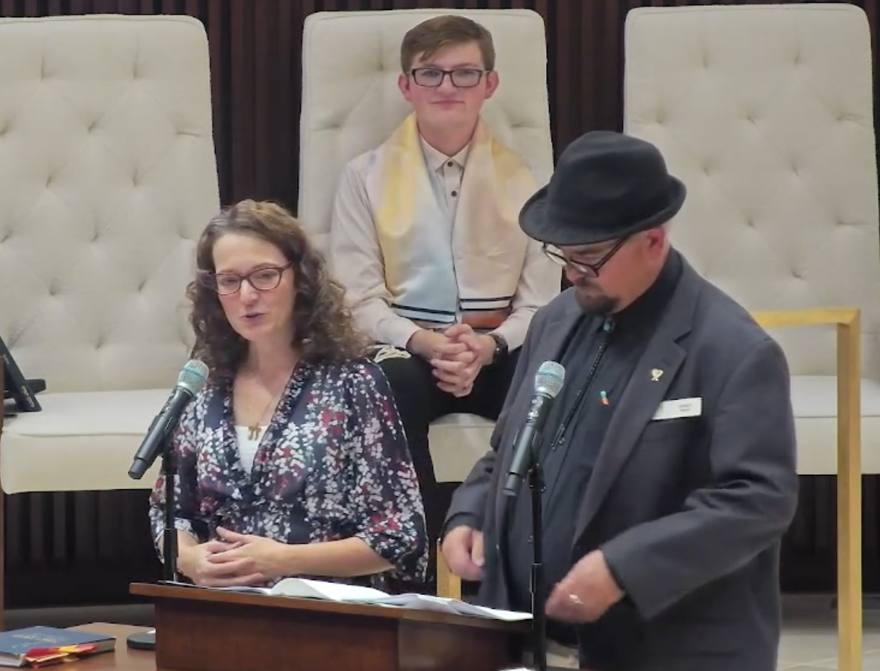
James recently co-led a Shabbat service at Temple B’nai Israel in Oklahoma City. You can watch it at thetempleokc.org/stream — go to past services to find it.
Send us your news or yahrzeits and we’ll add them to next week’s newsletter.
תְּפִלּוֹתֵינוּ · Tefiloténu
Our siddur — the prayerbook of Spiritual Humanistic Judaism, used at every Shabbat service. If you have been following along without a copy, it is available in both marketplaces: Amazon.com · Amazon.co.uk
Spinoza Havurah is free to attend and runs on what its members give.
Donate jmb
jmb