 By Spinoza Havurah
Spinoza HavurahThe Zoom Shul · Weekly
A spiritual humanistic Jewish community
This week’s reading
וַיֵּרָא · Va-yeirá
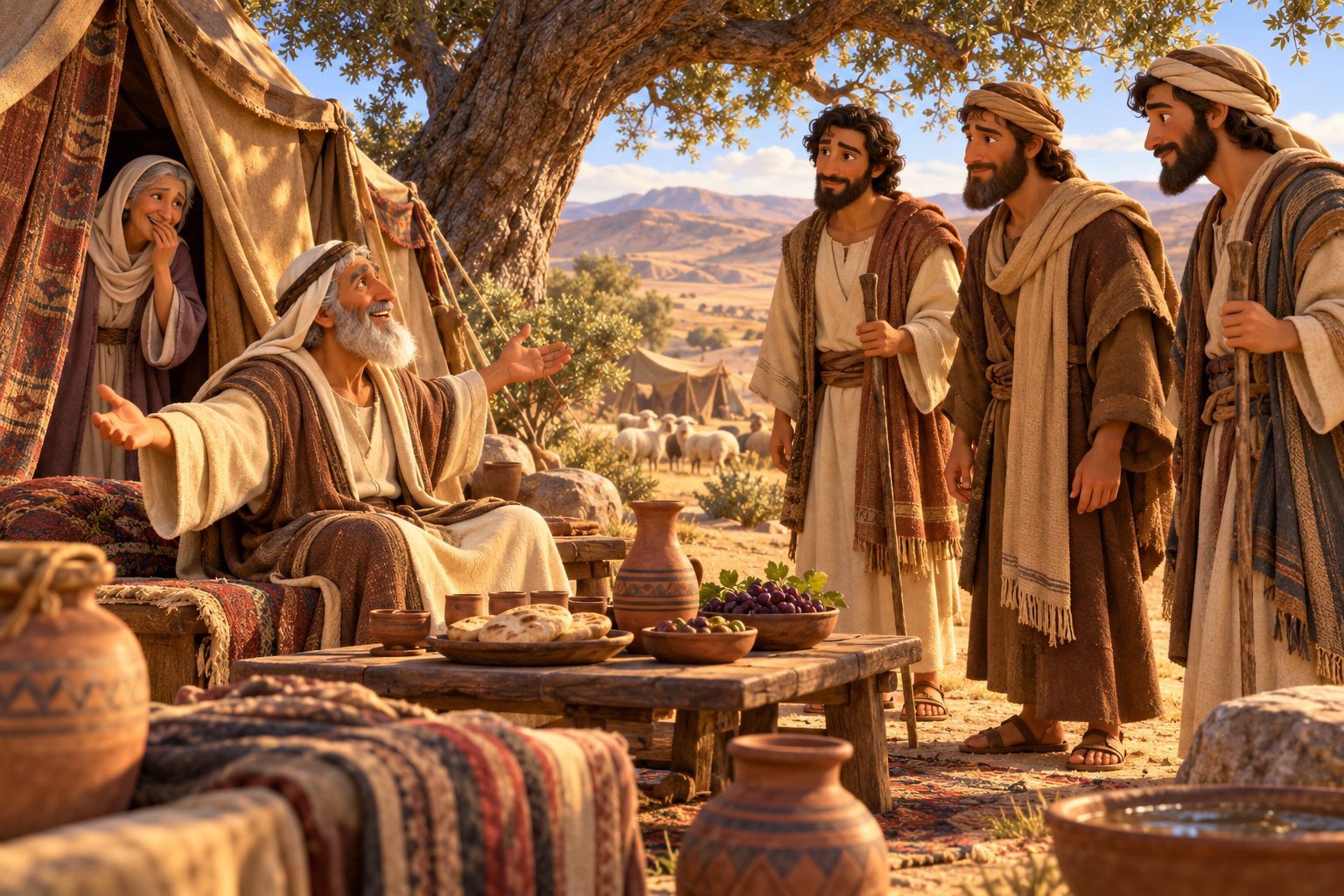
Genesis 18:1 – 22:24. It opens at a tent door in the heat of the day, with Avraham running towards three strangers, and it closes on a mountain with a knife in his hand. In between: a laugh behind the tent flap, an argument with heaven over a city that is not his, a mob at Lot’s door, a pillar of salt, a son born at last, a mother and child sent into the desert with a skin of water, and a well that was there all along.
This week’s theme comes straight from the opening scene. Before the parasha asks anything hard of Avraham, it shows him at the threshold — looking up, seeing who is there, and running.
The seven aliyot
עֲלִיּוֹת
| # | Opening | What is read | Verses |
|---|---|---|---|
| 1 | וַיֵּרָא אֵלָיוVayerá eláv | At the tent door by the oaks of Mamré, Avraham sees three men, runs to meet them, washes their feet and sets a meal before them. They ask after Sarah and promise a son within the year; listening at the tent door, Sarah laughs to herself. | 18:1–14 |
| 2 | וַתְּכַחֵשׁ שָׂרָהVatechaḥésh Sará | Sarah denies that she laughed, because she is afraid. The men turn towards Sedom; Avraham walks them on their way and then argues for the city — fifty, forty-five, forty, thirty, twenty, ten. “Shall not the judge of all the earth do justly?” | 18:15–33 |
| 3 | וַיָּבֹאוּ שְׁנֵי הַמַּלְאָכִים סְדֹמָהVayavó’u shené hamal’achím Sedóma | Two arrive in Sedom at evening. Lot, sitting at the gate, insists they stay with him. The men of the city surround the house and demand the strangers; the guests pull Lot inside. At dawn the family is hurried out, and Lot begs to flee to a small town nearby. | 19:1–20 |
| 4 | הִנֵּה נָשָׂאתִי פָנֶיךָHiné nasáti fanécha | Tsó’ar is spared; Sedom and Amorá are destroyed, and Lot’s wife looks back. The story of Lot’s daughters in the cave. In Gerar, Avraham again calls Sarah his sister; King Avimélech is warned in a dream and returns her. Yitsḥák is born. | 19:21–21:4 |
| 5 | וְאַבְרָהָם בֶּן מְאַת שָׁנָהVe’Avrahám ben me’át shaná | “God has made laughter for me; all who hear will laugh with me.” At the weaning feast Sarah sees Yishma’él and demands he go. Hagar and the boy are sent out with bread and water; when it runs out she sits a bowshot away so as not to watch him die. The boy’s voice is heard “where he is”, her eyes are opened to a well, and he grows up in the wilderness of Paran. | 21:5–21 |
| 6 | וַיְהִי בָּעֵת הַהִואVayhí ba’ét hahí | Avimélech comes to make a treaty. A quarrel over a well is settled with seven ewes, and the place is called Be’ér Shéva. Avraham plants a tamarisk there. | 21:22–34 |
| 7 | וַיְהִי אַחַר הַדְּבָרִים הָאֵלֶּהVayhí aḥár hadevarím ha’éle | The binding of Yitsḥák on Mount Moriyá. Then, as if life simply goes on, news of Naḥór’s children — and the birth of Rivká. | 22:1–24 |
Maftir 22:20–24. Transliteration follows the key in Tefiloténu. The Haftará this week is the theme — Va-yeirá is not one of the special Shabbatot, so the second reading is the one below. The traditional reading, for anyone who wants it, is 2 Kings 4:1–37 (Sephardi 4:1–23), in which a woman of Shunem builds a small room on her roof for a passing stranger: this week’s theme told as a story.
Haftará · this week’s theme
הַפְטָרָה · The second reading
On the special Shabbatot we read the prophets. On every other week the quality set for the year takes the slot — the second reading that answers the first, which is what a Haftará has always been. The blessings before and after are the same either way.
קַבָּלַת פָּנִים
Welcome
Kabalát paním
- Avraham runs to greet three strangers in the heat of the day. What does it take to welcome people with that kind of eagerness?
- Sedom is remembered as a city that turned strangers away. What does a community’s welcome say about it?
- Sarah laughs at news that seems impossible. How do we welcome what surprises us?
Three ways in, not an agenda — most weeks one of them takes the whole hour, and should.
And one against it
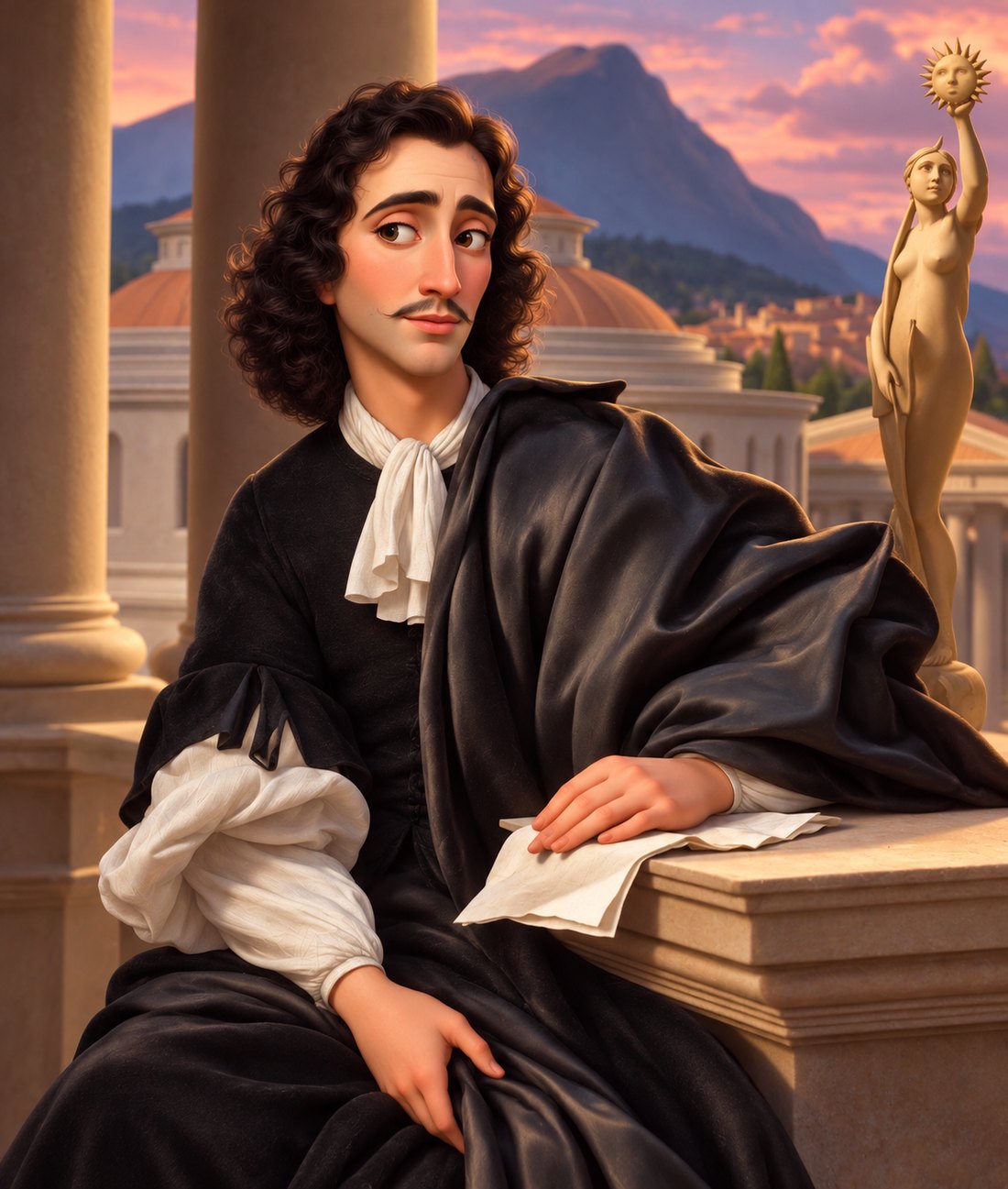
Spinoza on what we are to each other
“As every man seeks most that which is useful to him, so are men most useful one to another.”
Ethics IV · Proposition 35, Corollary 2
In the scholium that follows, Spinoza adds that experience bears this out so plainly that it has become a proverb: man is to man a God. He is not sentimental about it. In the same breath he admits that people are mostly envious and troublesome to one another, and still cannot do without each other. He knew both sides of a threshold. The ḥérem of 1656 forbade anyone to stay under the same roof with him or come within four cubits of him; he spent his last years as a lodger in the house of the painter Hendrik van der Spyck in The Hague, where he was made at home. Worth putting to the room: is a welcome a kindness we do for others, or — as Spinoza would have it — simply the most reasonable thing we can do for ourselves?
Practical tools
Three things to do this week
וַיָּרָץ לִקְרָאתָם
Run to meet themVayárots likratám
At the next gathering — on Zoom, at work, at the school gate — be the first to greet someone you don’t know well. Learn their name and use it before they leave.
Avraham is ninety-nine, sitting out the heat of the day — newly circumcised, the rabbis add — and still he runs. Welcome is not a mood that comes when we feel like it; it is a movement towards. Most people at the edge of a room are waiting for someone else to move first.
מְעַט מַיִם
A little waterMe’át máyim
Avraham offers “a little water” and “a morsel of bread”, and then lays on a feast. Make one small, concrete offer this week — a lift, a phone call, an hour of help — and make it smaller than you think it needs to be.
Big promises make guests anxious; small ones let them say yes. Promise little, give well. The people who welcome best rarely announce it.
בַּאֲשֶׁר הוּא שָׁם
Where they areBa’ashér hu sham
The boy in the desert is heard “where he is” — not where he should be, not who he might become. Think of one person you have been waiting to change before you fully welcome them, and meet them where they are this week.
A welcome with conditions is an interview. Hagar could not see the well until someone saw her. Sometimes the most welcoming thing is to stop asking people to arrive somewhere else first.
Va-yeirá sets Avraham’s tent door and Lot’s city gate side by side, and the parasha measures both by what happens at the threshold. The tent is open on all sides, the rabbis said, so that no traveller has to look for the way in. A community is remembered for the same thing.
From the community
Notices
Yahrzeits
We read the names each week. Send us the name, the relationship and the Hebrew or civil date, and we will keep it in the cycle.
spinozahavurah@gmail.comHumanistic Judaism 101
Several of you have asked whether we will run Humanistic Judaism 101 again. If you would like to take it, email us and tell us which time zone you are in — once we know numbers and the times that work, we will announce dates.
spinozahavurah@gmail.comTorah study · Sunday 1 November
1:00 pm EST · 6:00 pm in the UK, on Zoom. James M. Branum shares a D’var Torah on Va-yeirá (Genesis 18:1–22:24), followed by discussion of the parasha and of this week’s theme, Welcome. Recorded for anyone who can’t make it live. Register on Zoom.
North America’s clocks go back this Sunday, 1 November, so from then the usual gap is back: five hours between New York and London. Check your own time with the time zone converter.
Community news
Send us your news or yahrzeits and we’ll add them to next week’s newsletter.
תְּפִלּוֹתֵינוּ · Tefiloténu
Our siddur — the prayerbook of Spiritual Humanistic Judaism, used at every Shabbat service. If you have been following along without a copy, it is available in both marketplaces: Amazon.com · Amazon.co.uk
Spinoza Havurah is free to attend and runs on what its members give.
Donate